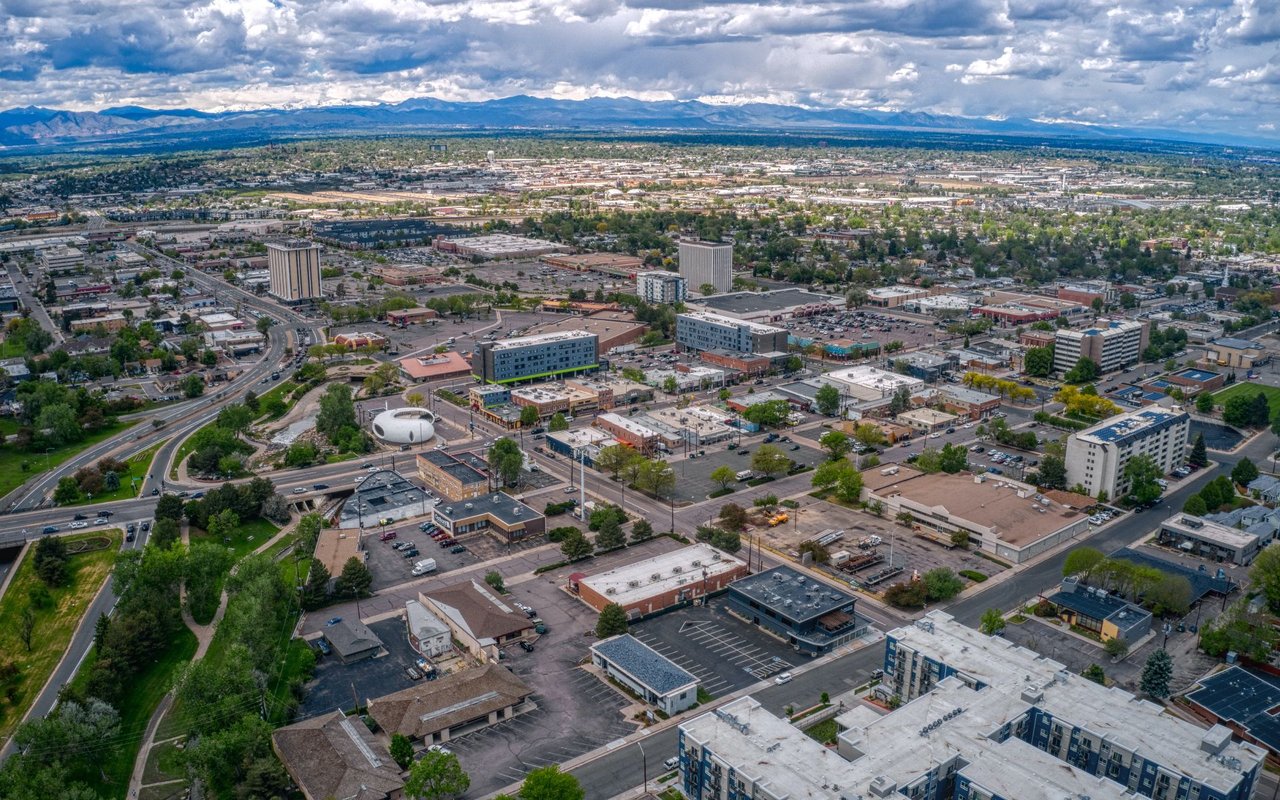
Arvada's identity has undergone a meaningful transformation over the past decade, evolving from a quiet Denver suburb into one of the northwest metro's most desirable relocation targets. At its core is Olde Town Arvada — a genuinely walkable historic district with independent restaurants, boutique retail, a farmers market, and a community energy that feels distinctly different from the typical suburban experience. For relocating buyers who want character alongside convenience, Arvada delivers both.
Light rail connectivity is one of Arvada's most compelling attributes for incoming relocatees. The Gold Line connects Olde Town directly to Union Station in downtown Denver, making Arvada an increasingly attractive option for professionals who want suburban space without surrendering urban access. This transit infrastructure has driven sustained demand across multiple buyer profiles — from young professionals to established families making their first Colorado purchase.
Jefferson County Schools serve Arvada's families with a strong district-wide performance record, and the city itself offers a recreation infrastructure that includes Apex Park and Recreation District's extensive facilities, trails along Ralston Creek, and proximity to the foothills. For buyers arriving from denser coastal markets, the combination of outdoor access and neighborhood scale is frequently cited as the deciding factor in choosing Arvada over competing metro options.
Arvada's real estate market spans a meaningful price range — from craftsman bungalows in the Olde Town area appealing to buyers seeking walkable urban living, to larger single-family homes in newer subdivisions catering to families with more space requirements. The northwest corridor has appreciated steadily, and buyers who prioritize long-term value in the Denver metro consistently identify Arvada as a market with strong fundamentals relative to its current pricing.
Engel & Völkers advisors understand the nuances of Arvada's distinct neighborhoods and can guide relocating buyers — whether arriving from out of state or transitioning within the Denver metro — through every step of the purchase process. For sellers preparing to leave Colorado or move within the region, our global platform through the EDGE network ensures maximum exposure across 33+ countries and the world's premier luxury real estate networks.