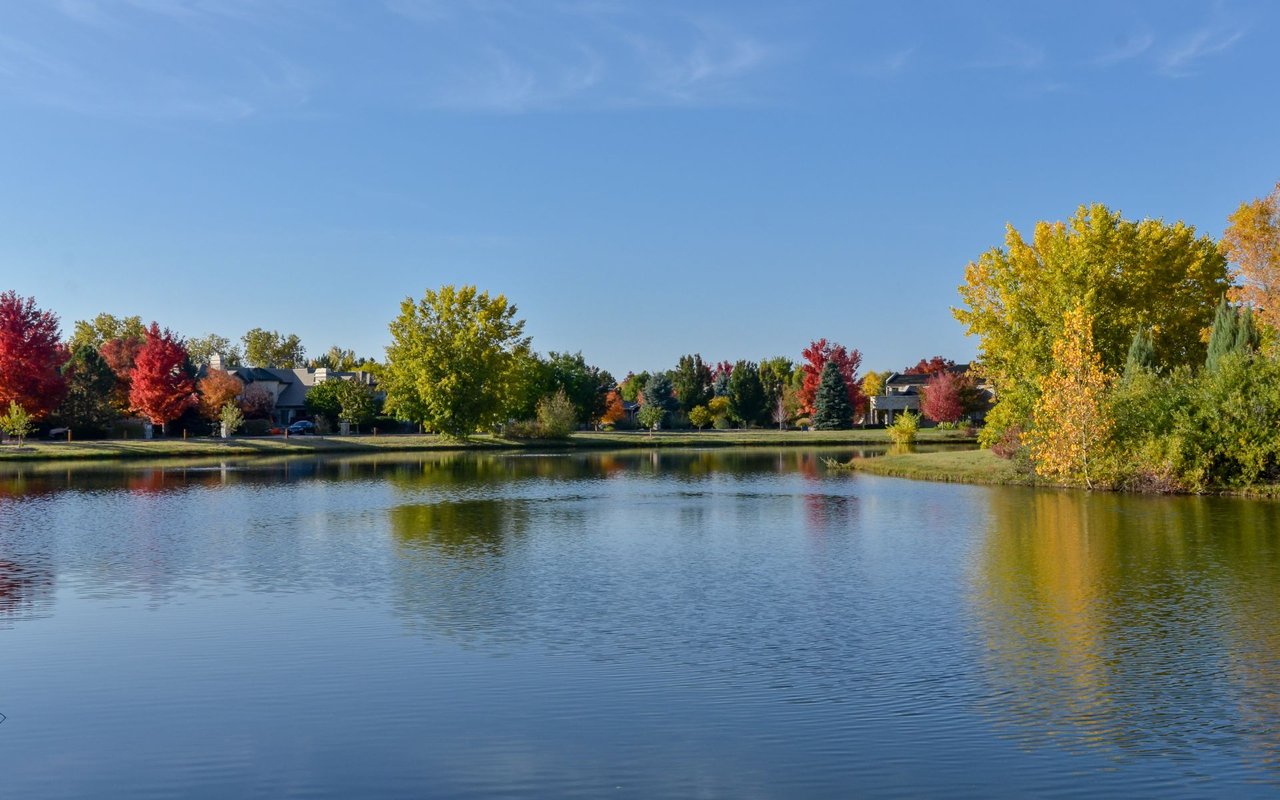
Cherry Hills Village is not a neighborhood — it is a municipality unto itself, and one unlike any other in Colorado. Incorporated in 1945 to preserve its equestrian character and resist commercial development, Cherry Hills Village remains today what it was always meant to be: a sanctuary of privacy, acreage, and architectural distinction set within minutes of Denver's urban core. The result is one of the most coveted residential addresses in the entire Rocky Mountain region.
The defining feature of Cherry Hills Village is space. Minimum lot sizes measured in acres, horse properties with private stables, and custom estates set back from tree-lined drives create a sense of remove that is exceedingly difficult to find this close to a major city. Equestrian trails wind through the community, connecting properties to open space corridors carefully protected for generations. For buyers relocating from dense urban environments in search of genuine land and privacy, Cherry Hills Village frequently becomes the answer.
Families choosing Cherry Hills Village benefit from Cherry Creek School District, consistently ranked among Colorado's top-performing districts. The community's proximity to Cherry Creek Country Club, elite private schools, and the Colorado Golf Club adds dimension to a lifestyle that balances pastoral retreat with metropolitan access. Denver's best dining, culture, and business districts are less than 20 minutes away — close enough to use daily, far enough to forget entirely.
Properties in Cherry Hills Village range from meticulously renovated mid-century estates to brand-new contemporary builds on multiple acres. The market is defined by scarcity and permanence — homes here rarely trade, and when they do, they command prices that reflect both the land and the lifestyle. For buyers seeking one-of-a-kind properties with true Colorado character, Cherry Hills Village represents an irreplaceable opportunity.
Engel & Völkers advisors understand the nuances of the Cherry Hills Village market — the unwritten preferences, the relationships, and the depth of local knowledge that define how this community transacts. Whether you are relocating to the Denver metro and seeking a property of this caliber, or preparing to move on from your Cherry Hills Village estate, our team brings the local expertise and global reach to serve you with precision. The EDGE platform connects your property to qualified buyers across 33+ countries.